From National Strategy to Local Streets: What the 2025 Roadway Safety Report Means for Your Community
In early 2025, the U.S. Department of Transportation released its latest update on the National Roadway Safety Strategy (NRSS). The report showed encouraging progress: traffic fatalities declined for 10 consecutive quarters, signaling that national safety efforts are beginning to move the needle. But even with that progress, roadway fatalities remain far too high, and USDOT reaffirmed its long-term vision: zero fatalities.
As we move through 2026, the real question for cities and counties is this: What does that national vision require at the local level?
The Safe System Vision is Clear
The NRSS continues to center around the Safe System Approach, which focuses on safer people, safer roads, safer vehicles, safer speeds, and post-crash care. This framework acknowledges a simple truth: people make mistakes. Road systems must be designed so those mistakes do not result in death. Over 85% of USDOT's original safety actions have now been completed or substantially advanced. Federal investments have accelerated through programs like Safe Streets and Roads for All.
National momentum is real. But implementation happens locally.
2026: The Year of Operationalizing Safety
If 2022-2025 were about launching strategy and funding programs. 2026 is about execution. For local public works departments, county engineers, and municipal leaders, this means translating Vision Zero commitments into measurable, defensible action. Safety is increasingly tied to performance targets, funding eligibility, and public transparency. Communities are expected to demonstrate not only that they care about safety, but they can measure and improve it.
The NRSS highlights the importance of performance measurement and continued engagement at the state and local level. The emphasis signals a broader shift: safety is no longer just a policy statement. It is becoming a performance expectation.
Why Road Condition Data Is Part of the Safety Equation
Roadway safety discussions often focus on behavior, enforcement, or vehicle technology. Those are critical components but infrastructure condition is equally important and often overlooked.
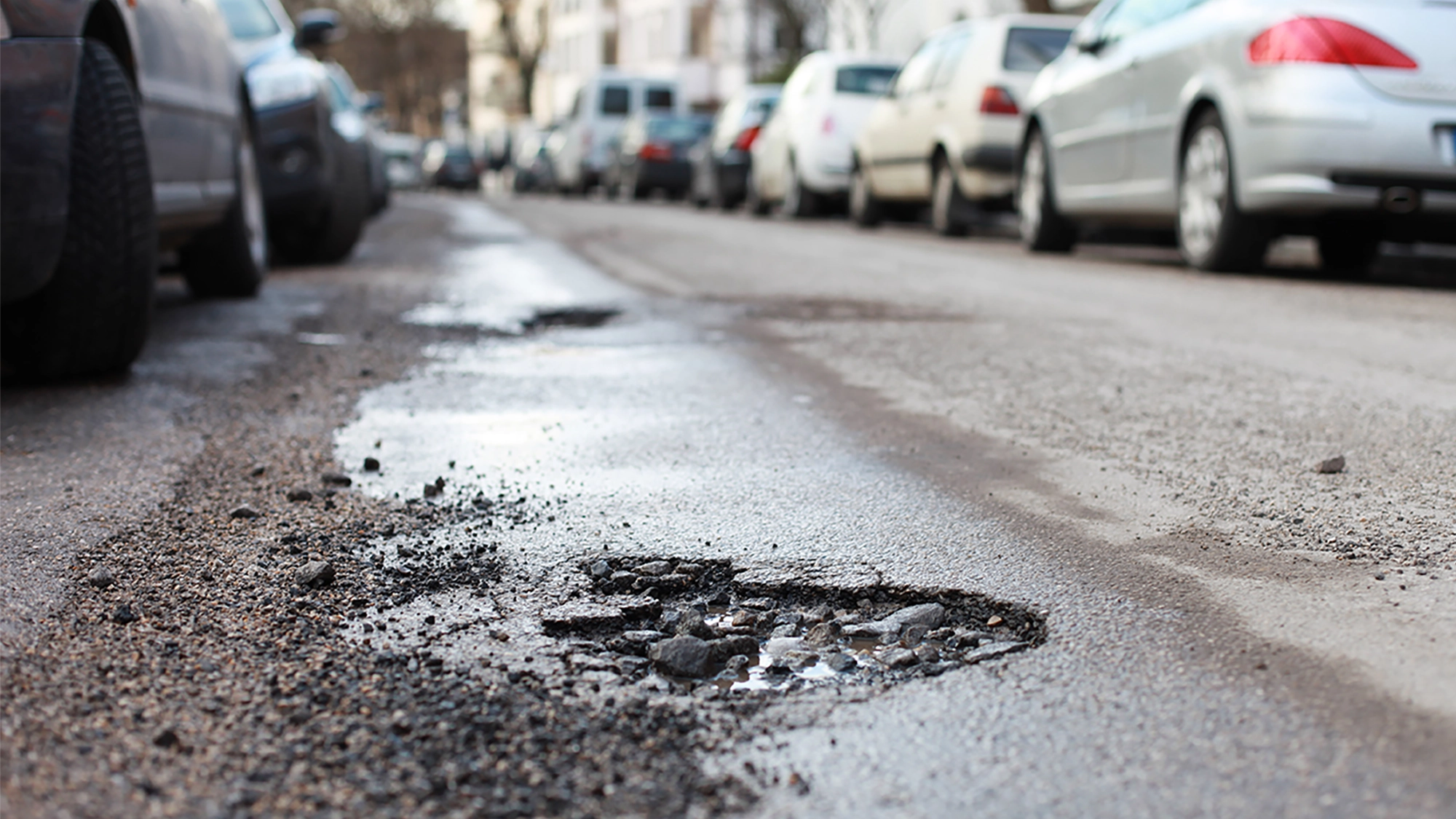
Deteriorating pavement contributes to unpredictable vehicle movement, reduce traction, and increased crash risk, particularly for motorcyclists and cyclists. In rural communities, where many locally managed roads serve as high-speed corridors, surface condition can significantly influence crash severity.
The NRSS also calls attention to disproportionate safety impacts in rural areas and among vulnerable populations. Many of those roads are maintained at the county level, often with limited staff and constrained budgets. When pavement management is treated solely as an asset preservation exercise, a key safety opportunity is missed. In reality, proactive maintenance is one of the most practical ways local agencies can reduce preventable risk.
Moving From Reactive to Proactive
Historically, many municipalities have relied on periodic windshield surveys, resident complaints, or infrequent PCI studies to guide maintenance decisions. While these methods provide snapshots, they rarely deliver continuous network visibility.
The Safe System Approach requires something more proactive. It calls for identifying risk early, prioritizing strategically, and addressing issues before they escalate into larger safety or financial liabilities. In 2026, agencies that lead on safety will be those that can clearly demonstrate where their risks are, how they prioritize interventions, and how their investments align with measurable outcomes.
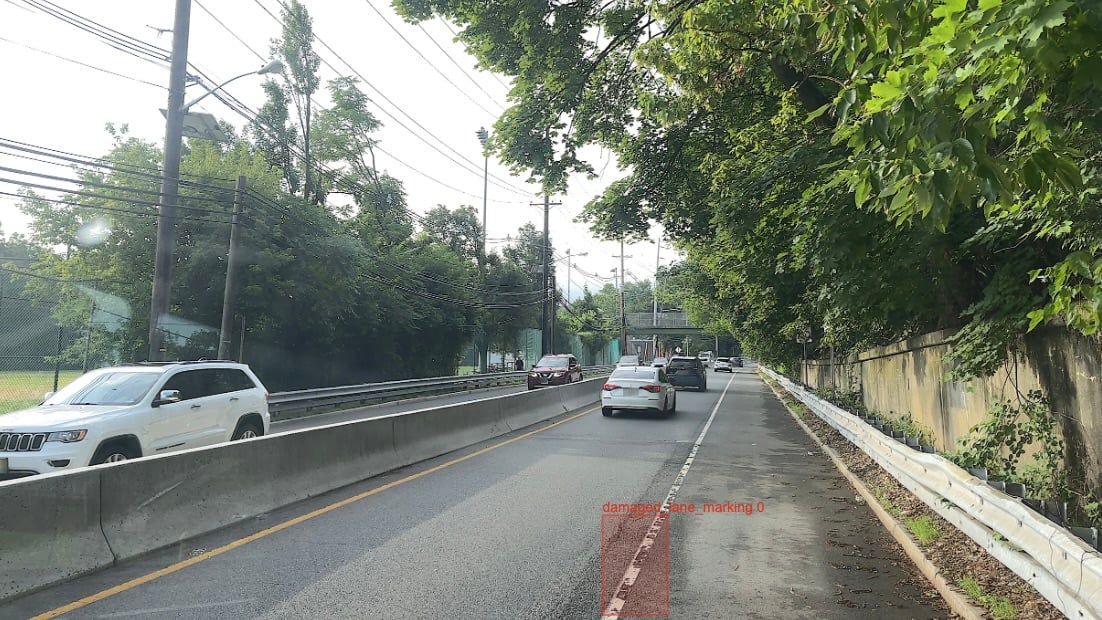
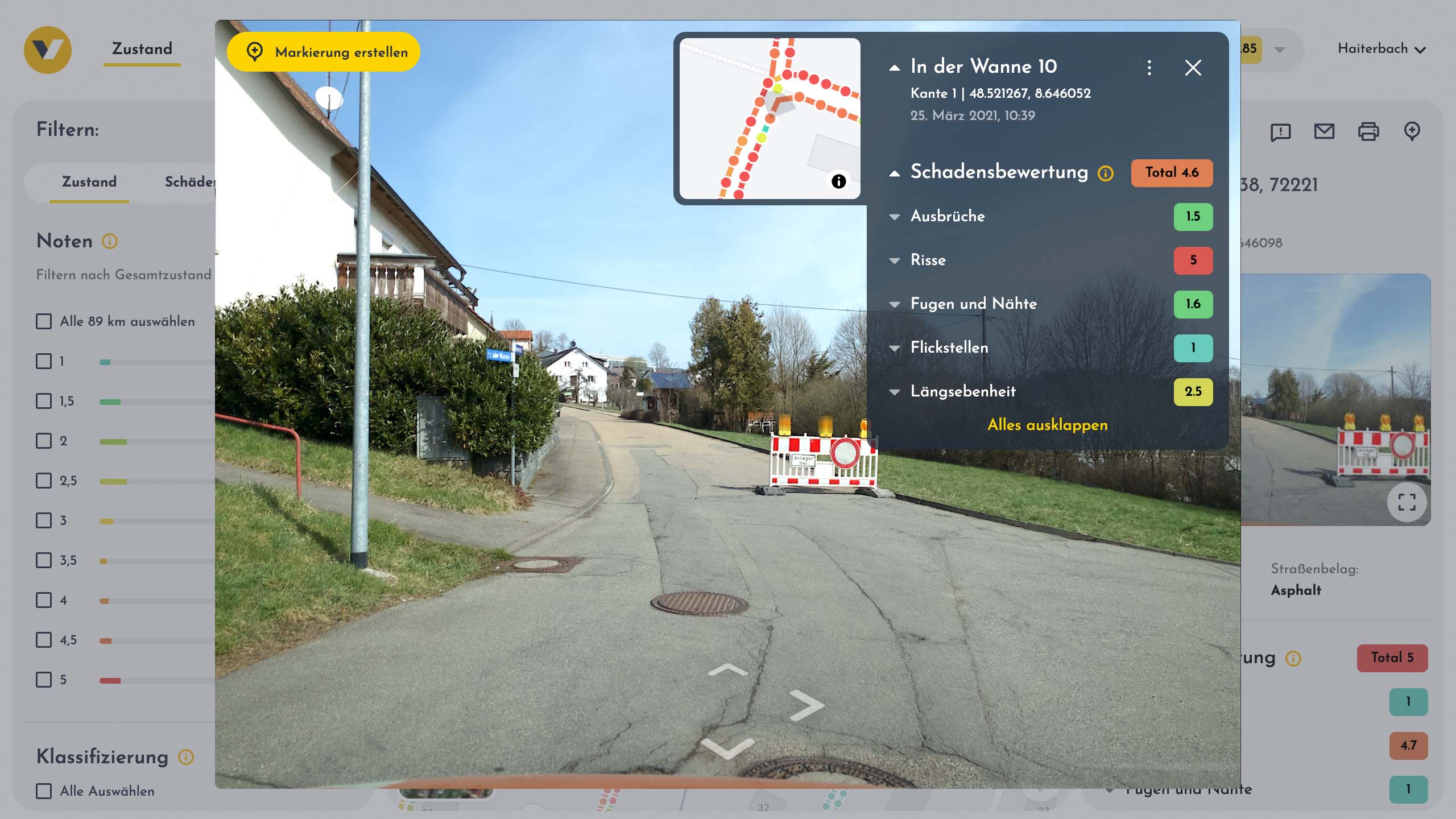
This is where digital tools are changing the conversation. AI-powered pavement assessments allow communities to build a network-wide baseline, monitor deterioration trends, and plan preventative maintenance with objective data. Instead of reacting to failure, agencies can intervene earlier, extending asset life while supporting safer road conditions.
Safety becomes something you can quantify, justify, and communicate.
Looking Ahead to the Next NRSS Update
If past reporting patterns continue, the next NRSS progress report will likely be released in early 2026. When it arrives, it will not only measure national trends, but will reflect how well safety has been institutionalized across state and local systems.
The communities best positioned for that moment will be those that have embedded safety into their everyday operations. Not just in policy documents, but in budgeting, asset management, and capital planning decisions. Because while the federal government can set direction, local agencies shape the roads people use every day.
Vision For 2026 And Beyond
The progress outlined in the 2025 NRSS update shows that coordinated action works. Fatalities are trending downward. Partnerships are expanding. Funding is flowing. But sustaining that momentum requires local leadership.
Vision Zero is not achieved through one major project or one grant cycle. It is achieved through consistent, data-driven decisions — street by street, corridor by corridor, year after year. For public works leaders, 2026 presents an opportunity to move beyond reacting to complaints and toward building a measurable, defensible safety strategy. Proactive road management is not separate from roadway safety. It is one of the most practical ways to advance it. The national vision is zero fatalities.
The path to get there runs through local streets and the decisions made about them every day.