America's cities are managing their most expensive asset, roads, the same way they did 30 years ago. Clipboard inspections. Reactive repairs. Budget decisions made on instinct rather than data. The result: municipalities spend 5-10 times more fixing roads that have already failed than they would have spent preserving them early.
Earlier this month, vialytics brought that message to the Tomorrow City USA competition in West Palm Beach, a national stage for startups solving the most pressing challenges facing urban communities. Our pitch was simple: the infrastructure crisis isn't just a funding problem. It's a data problem.

The Cost of Waiting
Without reliable road condition data, cities can't prioritize repairs, can't justify spending to city councils, and can't compete for the federal grant funding they desperately need. Decisions get made based on who complains loudest, not which roads actually need attention most. And by the time a road is visibly failing, the window for cost-effective intervention has already closed.
The math is punishing. According to the Federal Highway Administration, every $1 invested in pavement preservation saves $6 to $7 in future reconstruction costs. Every year a city delays acting on data it doesn't have, it multiplies its own costs. What could have been a preservation treatment becomes a full rehabilitation. What could have been a rehabilitation becomes a reconstruction. The budget never catches up.
This isn't a failure of the people managing roads, it's a failure of the systems they've been given. When your only tool is a clipboard and a windshield survey, even the most experienced public works director is operating on instinct rather than intelligence.
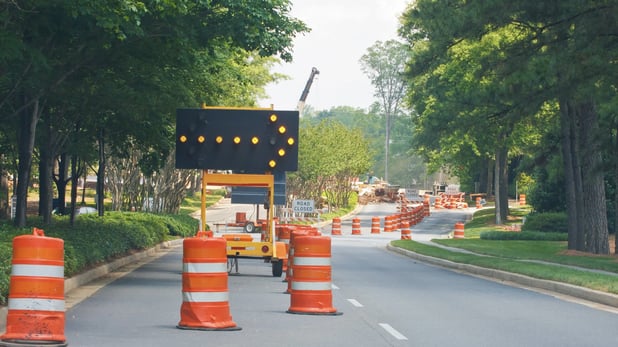
AI That Works the Way Cities Do
vialytics was built to meet municipalities where they are. Cities mount a standard smartphone on any vehicle already in their fleet, a plow truck, a parks vehicle, a public works crew truck, no expensive hardware, no lengthy procurement. As that vehicle drives its normal routes, our AI simultaneously detects and classifies road surface distress, scores every segment using industry-standard PCI methodology, flags non-compliant signage, and populates a live dashboard that turns raw data into clear, defensible decisions.
The result: public works directors stop treating the loudest complaint first and start treating the roads that need it most. City managers can walk into a budget meeting with data, not gut feelings. And grant applications — for HSIP, SS4A, and other federal programs that require documented road condition data, become dramatically easier to prepare and win.
The platform scales from a 500-resident township to a major metro, and cities can be operational within weeks. More than 1,000 municipalities across 7 countries, managing over 200,000 miles of road network, already rely on vialytics to make smarter infrastructure decisions every day.
The Right Treatment, at the Right Time
Though vialytics didn't take home the Tomorrow City Startup Competition prize, the conversation reinforced something we hear from city leaders constantly: they don't need more road, they need better intelligence about the roads they already have. The cities investing in AI-powered infrastructure management today are the ones that will stretch every maintenance dollar further, win more federal funding, and build communities that last.
Because when every road mile becomes a data point, guesswork stops, and great roads begin.
Share this
How Cities Can Detect Damaged Lane Markings and Prioritize Repainting More Efficiently

Linne CSD: 2025 RoadStar Planning Master