




On judging the MIT $100K, building across continents, and what really matters when betting on a founder.
When Andy Kozma, Chief Revenue Officer and President of vialytics Americas, was invited to judge the semi-finals of the MIT $100K Entrepreneurship Competition, it wasn’t just another industry moment.
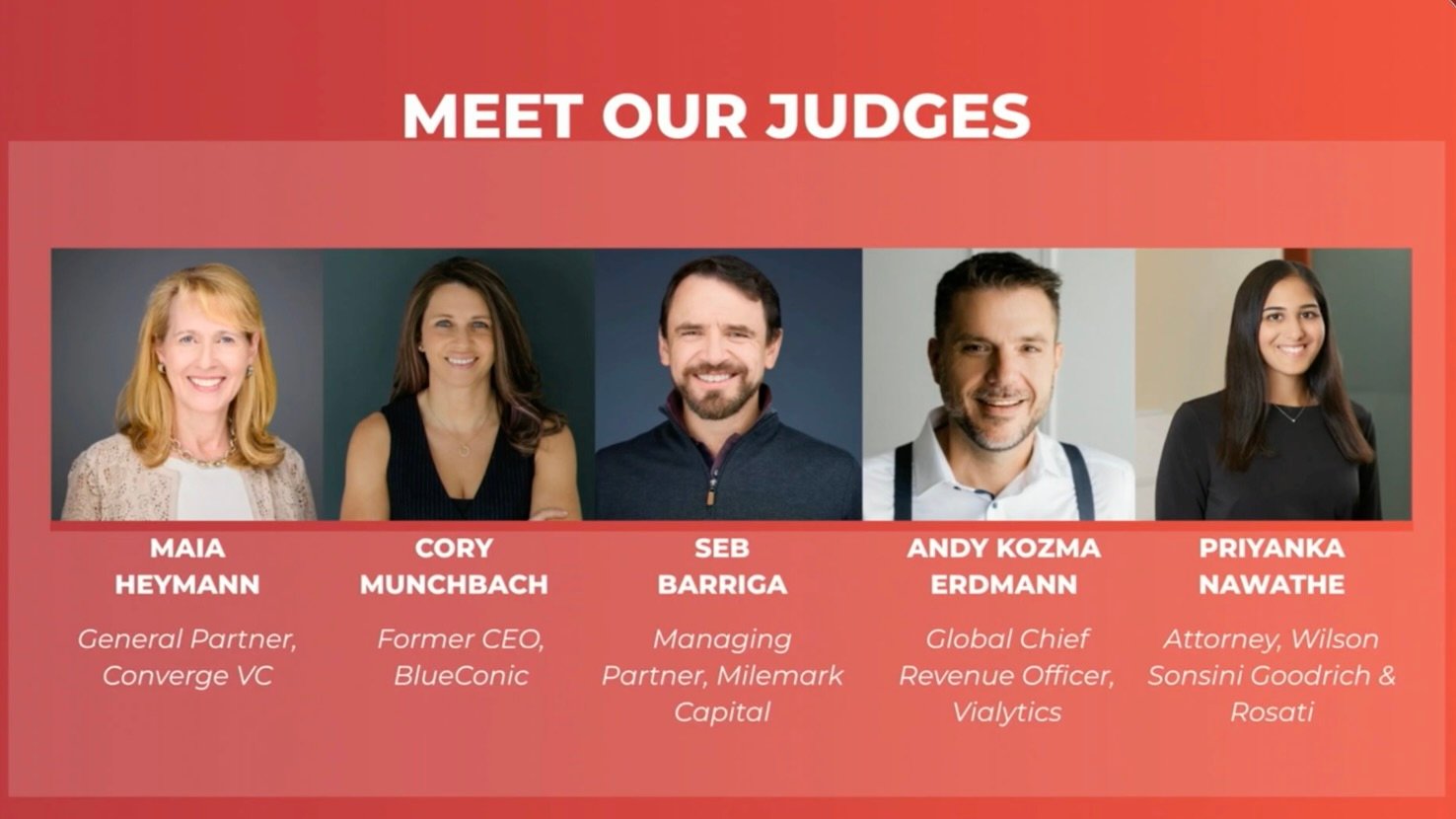
He joins a panel of accomplished judges, including Maia Heymann, General Partner at Converge VC, Cory Munchbach, Former CEO of BlueConic, Seb Barriga, Managing Partner at Milemark Capital, and Priyanka Nawathe, Attorney at Wilson, Sonsini Goodrich & Rosati.
Behind the decision to say yes sits a story about mentorship, entrepreneurship as a philosophy, and a career shaped by building something across borders. We sat down with Andy to talk about what he’s looking for in the next generation of founders, what building vialytics across Europe and the U.S. has taught him, and why the best entrepreneurs combine conviction with humility.
Why MIT $100K and Why Now
For Andy, this opportunity traces back to a formative relationship early in his life. While still studying, he met Richard Caruso, an entrepreneur who not only built a successful company but also invested deeply in developing others. Through the Uncommon Individual Foundation, Andy was introduced to the idea that every person is unique and that entrepreneurship can be a way to fully express that individuality.
That belief has stayed with him. He sees entrepreneurship not just as a career path, but as a way to define your own direction and pursue a life that aligns with your values and ambitions.
MIT has long been recognized for its role in shaping industries and advancing innovation. It also holds a personal connection through Caruso’s company, Integra LifeSciences, which has roots tied to the institution. Being invited to judge the competition felt meaningful on multiple levels, both as a professional milestone and as recognition of what vialytics has built.
What Building Across Continents Teaches You
Andy brings a perspective that comes from building a company across very different markets. Expanding vialytics from Europe into the United States required more than replicating a successful model. It meant rethinking how the product, messaging, and go-to-market strategy needed to adapt.
He emphasizes that there is a significant difference between an idea that works in one market and one that truly scales. Cultural nuances, buying behaviors, and expectations vary widely, and founders who underestimate that often struggle when they try to grow internationally.
This is something he listens for closely when judging. He pays attention to whether founders have thought through what scaling actually requires, or if they are simply assuming success will translate from one market to another without adjustment.
The Part of Building a Company Founders Underestimate
When asked about the hardest part of building a company, Andy points to something many founders do not fully grasp early on. It is not just about having a strong idea or even a great product. It is about understanding the level of investment and discipline required to reach sustainable growth.
Founders have to clearly define their ideal customer, choose the right markets to pursue, and manage capital carefully. At the same time, they need to build a product that continues to improve and compete. Balancing these priorities without exhausting resources or losing focus is one of the most difficult challenges.
At vialytics, this meant navigating tight decisions around expansion and spending while continuing to develop a strong product. There was also the added complexity of entering markets shaped by local identity and expectations. Each region wanted the solution to feel tailored to them, while internally the company needed to stay aligned as one product and one team.
Looking back, Andy believes that early decisions around market focus, capital strategy, and positioning have a lasting impact. These choices often determine what a company is able to achieve later, sometimes more than the strength of the original idea itself.
What Stand Out in a Great Founder
When evaluating founders, Andy looks for a combination of traits that may seem contradictory at first. He describes it as humble arrogance. This means having the confidence to pursue something ambitious while also recognizing that you do not have all the answers.
He also places importance on something that is often overlooked. Founders need to be people others want to work with. Building a company involves constant interaction with teams, customers, and investors. Being clear, thoughtful, and genuinely engaging is not just a soft skill. It plays a major role in whether a company can grow.
Another key indicator is how a founder responds to difficult questions. Rather than focusing on having the perfect answer, Andy pays attention to how they think in the moment. The strongest founders stay composed, are honest about what they do not know, and use challenging questions as an opportunity to sharpen their thinking.
He also notices how founders talk about their teams. Those who naturally give credit and speak in terms of “we” tend to build organizations that last. At an early stage, ideas will evolve and products will change. The founder and the team are the constants that carry the company forward.
What He Hopes Founders Take Away
When Andy reflects on what he wants founders to leave with, his answer is grounded in realism and encouragement. There is no single formula for building a company, and each founder needs to find their own path.
He emphasizes the importance of resilience and belief in oneself. Building something meaningful takes time, and there will be moments of uncertainty and pressure along the way.
He also highlights a reality that takes time to fully understand. No one will care about a company in the same way the founder does. That responsibility shapes how founders lead, make decisions, and carry the weight of the business.
At the same time, he believes the journey should be fulfilling. Even with the challenges, there should be moments of excitement and purpose that make the effort worthwhile. The founders who succeed long term are often the ones who genuinely enjoy what they are building.
About Andy Kozma Erdmann
Andy Kozma is Chief Revenue Officer and President of vialytics Americas. vialytics is an AI-powered road management platform helping more than 1,000 municipalities across seven countries monitor roadway conditions, prioritize repairs, and make smarter infrastructure decisions.
Share this

No Signal? No Problem: vialytics Introduces Full Offline Functionality for Public Works Teams

vialytics Spotlight: Infrastructure Perspectives with USI Consultants